
Research

Lab Research Themes

Meiosis shuffles parental genomes, polyploidy doubles them, and DNA repair decides what changes stick. We study all three, and use what we learn to build tools that help breeders move faster.

Theme 1

Accessing wild diversity

Improving crops means bringing in new traits. Thousands of beneficial traits reside in wild relatives of crop species, but reproductive barriers between species make those traits hard to access.

We study the barriers that stand in the way: how chromosomes from related (homoeologous) genomes recognise each other and recombine, what other reproductive barriers limit hybridisation, and how genome stability is maintained once divergent genomes are brought together. A BBSRC-funded project is mapping crossovers and partner choice between divergent chromosomes in Arabidopsis suecica.

We apply the same expertise in crops. With industry partners, we are developing drought-resilient white clover by building stable hybrids that carry the genome of its drought-tolerant relative, Caucasian clover.
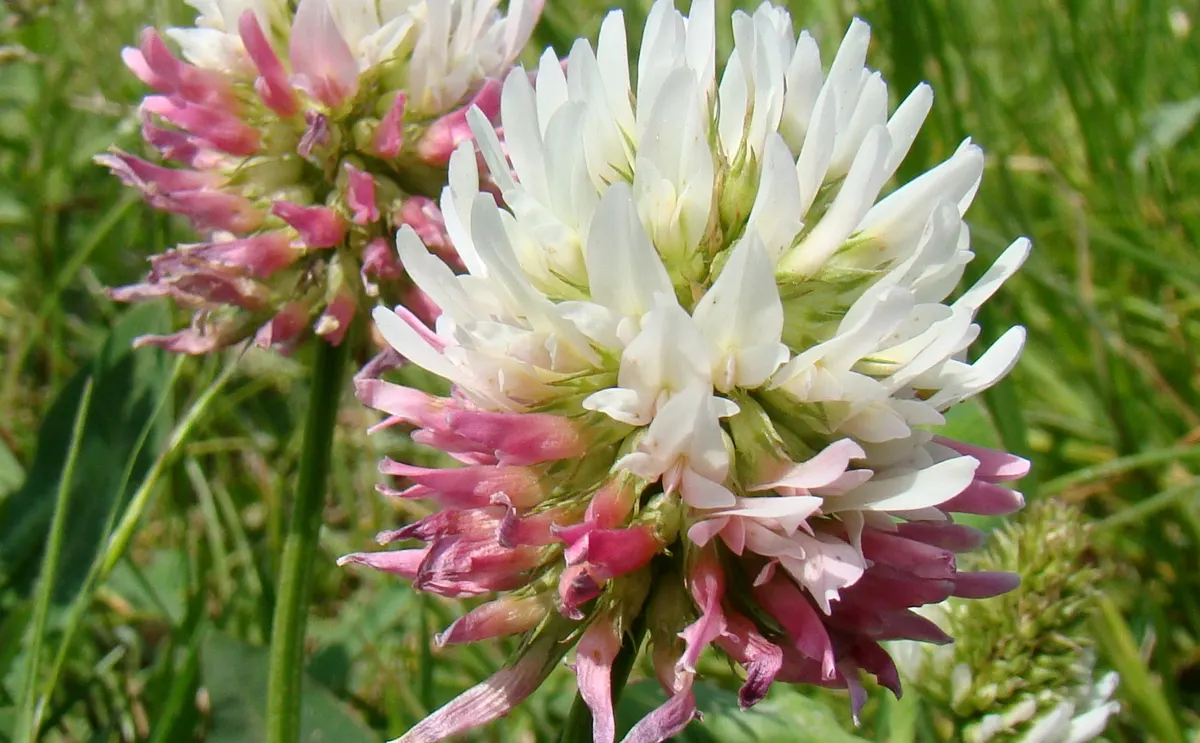
Clover (Trifolium) in flower.
Theme 2

New breeding technologies

Drugs are used routinely in humans and other mammals to modify biological processes temporarily and non-invasively, but they are rarely used in plants, where the cell wall hampers delivery. In plants these processes are usually altered by genetic modification, which has limited applied value in the UK and Europe because of restrictions on its use in agriculture.

Nanoparticles with excellent drug-delivery properties have recently been shown to cross plant cell walls efficiently, opening a route to non-GM modification of biological processes. We are developing small-molecule inhibitors that adjust recombination levels, and transgene-free gene-editing approaches.

We are also optimising prime editing in Arabidopsis to make precision genome editing more efficient.

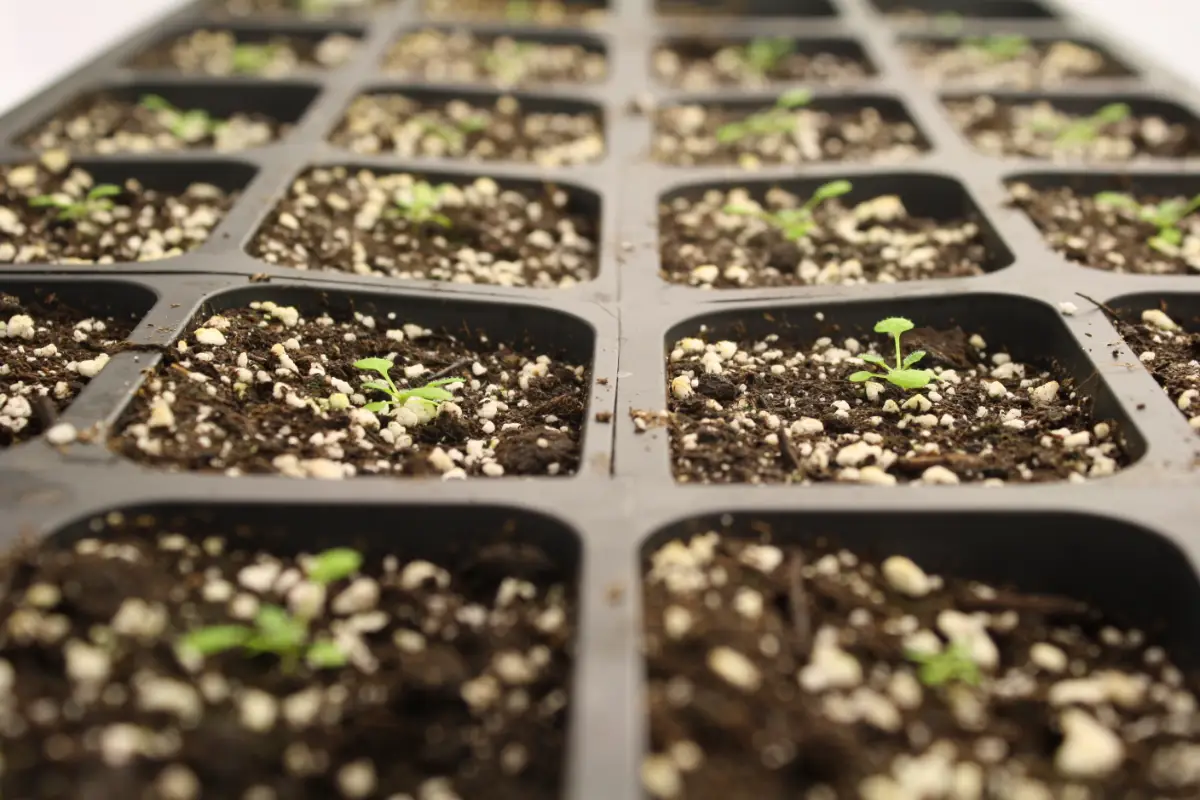
Arabidopsis seedlings in the IBERS growth facilities.
Theme 3

Meiosis in autotetraploid and allotetraploid Arabidopsis

Autotetraploids carry two (almost) identical copies of the genome from the same parental species. Allotetraploids carry two divergent sub-genomes inherited from different but related species.

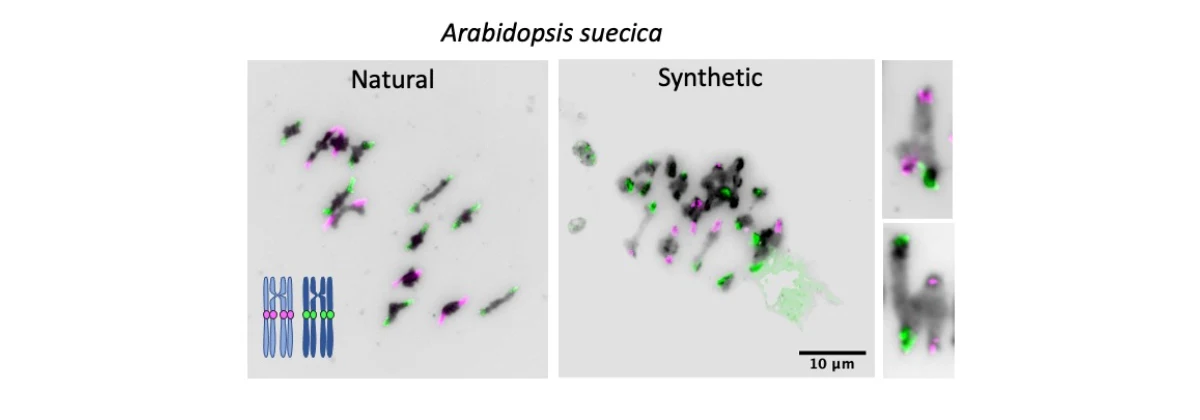
How does each type of polyploid deal with the challenge of segregating multiple sets of chromosomes? Our work on natural and newly synthesised Arabidopsis suecica shows how crossovers between homoeologues drive genomic instability in first-generation allopolyploids.

Metaphase I in natural and synthetic Arabidopsis suecica.
Theme 4

Temperature, fertility and meiosis

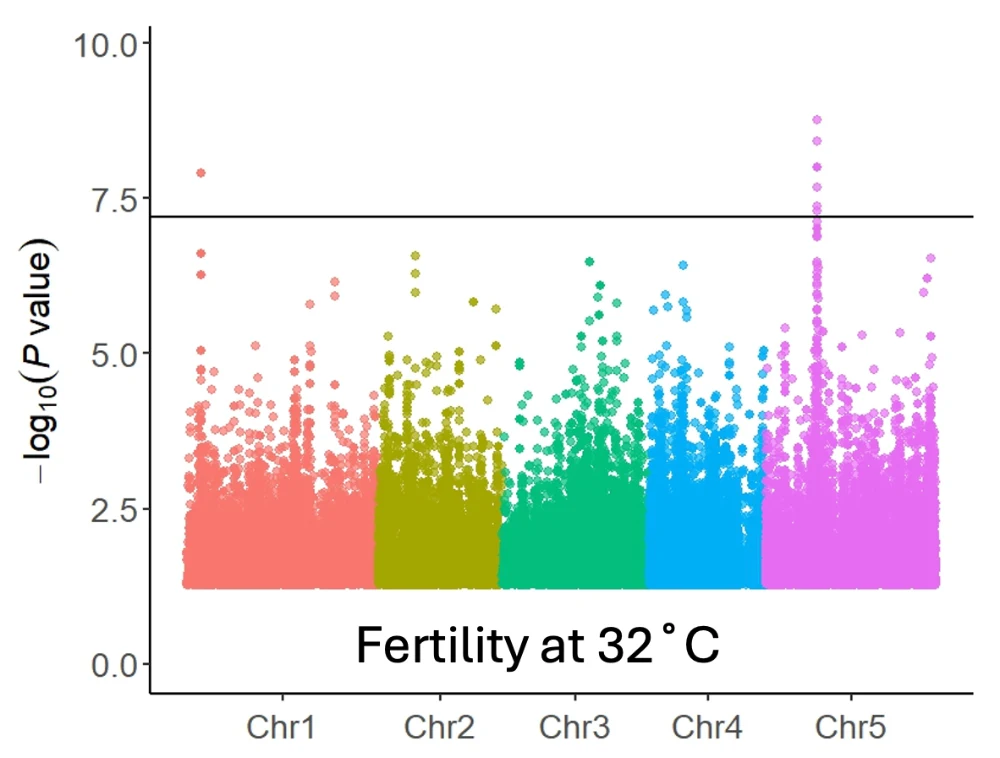
Plant reproduction is critically vulnerable to heat stress, which is likely to have major impacts on crop yields as global temperatures rise. We have identified key genes that influence how well plants maintain seed yield under heat stress.

We are now working to understand the pathways involved and to engineer solutions for climate-resilient crops.

Genome-wide association scan for fertility at 32 °C across the five Arabidopsis chromosomes.
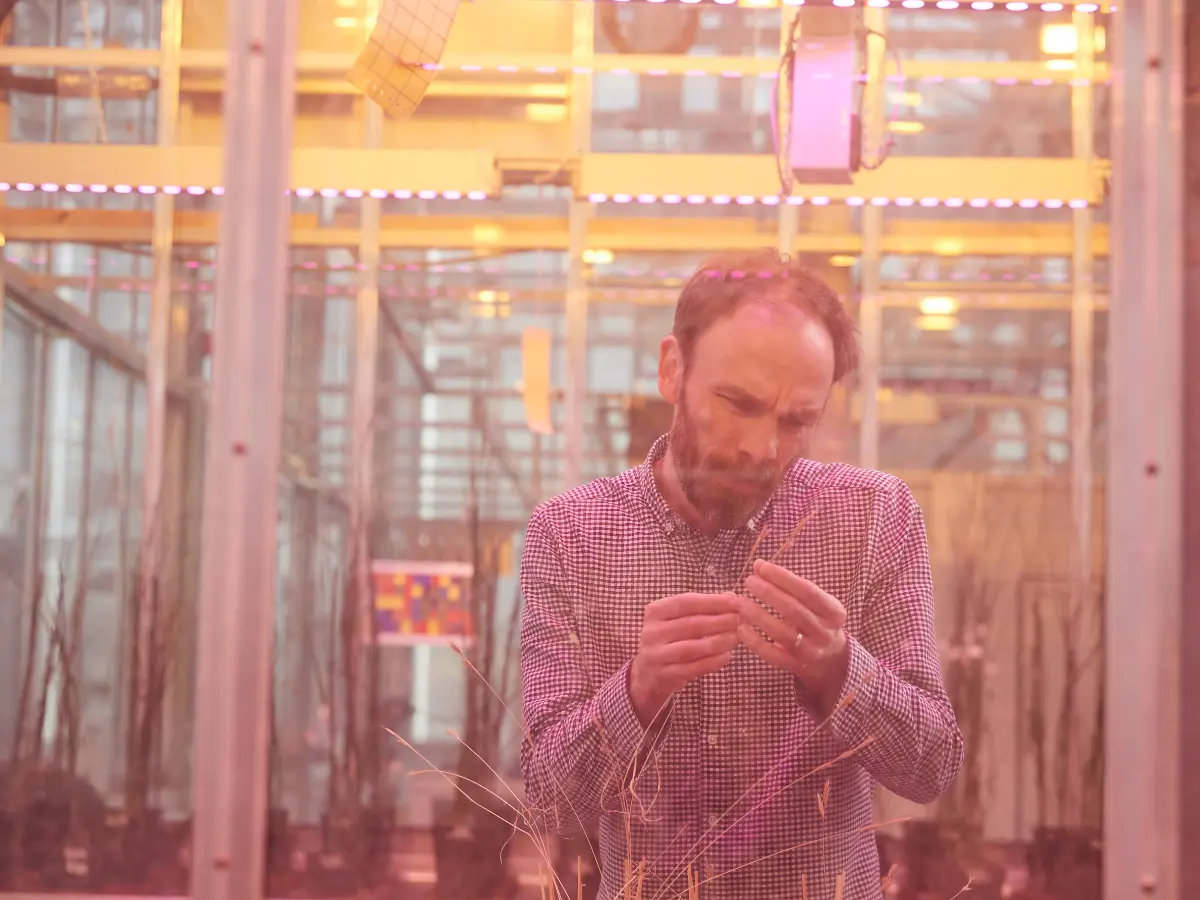
Andrew Lloyd inspecting plants in the IBERS phenomics glasshouse
Facilities

IBERS Facilities

Working in IBERS gives us access to excellent controlled-environment growth rooms, the National Plant Phenomics Centre and field sites at Gogerddan, alongside the cytology and molecular labs where most of our meiosis work happens.

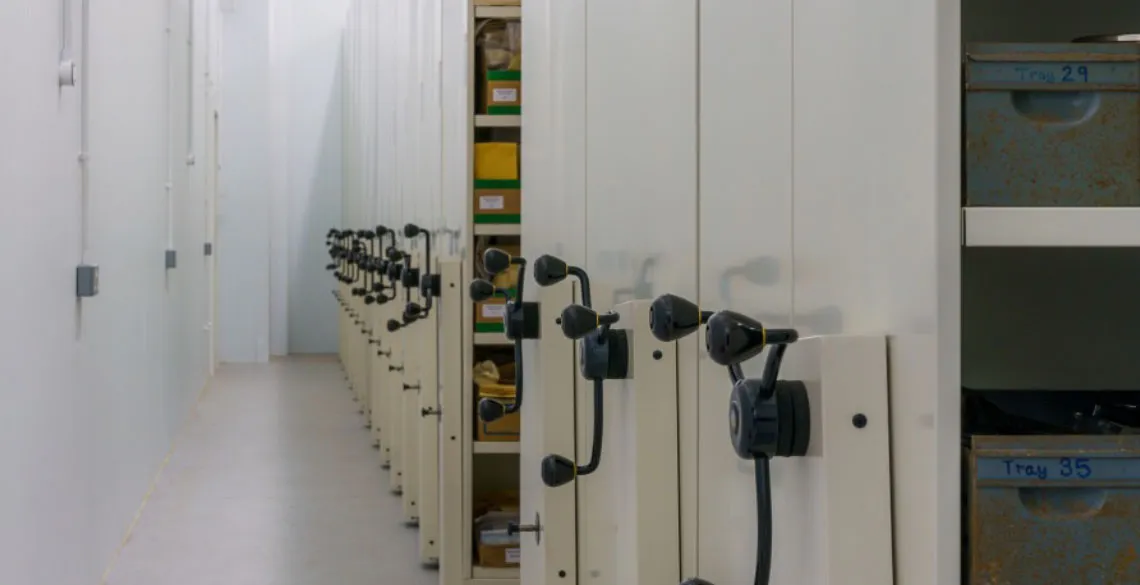
Rolling shelves of labelled seed trays in the IBERS seed bank
Seed bank

Over 40,000 seed samples

IBERS also holds a seed bank of over 40,000 samples collected from across the globe, a resource that underpins the breeding programmes here.

See the publications